Reliable Same-Day Blood Testing: Benefits, Process, and Common Needs
Same-day blood tests are a revolutionary medical diagnostic tool offering unprecedented convenience.......
Read more →
Welcome to an in-depth exploration of a groundbreaking medical procedure: the same-day blood test. In today's fast-paced world, where time is of the essence, this innovative approach to diagnostic medicine has emerged as a game-changer. This article aims to guide you through the intricacies of same-day blood testing, shedding light on its benefits, applications, and potential impact on global healthcare systems. By the end, readers will have a comprehensive understanding of why this simple yet powerful tool is revolutionizing patient care.
Definition: A same-day blood test, as the name suggests, involves drawing a sample of a patient's blood and conducting extensive laboratory analysis within the same calendar day. This rapid turnaround time provides medical professionals with critical insights into an individual's health status almost instantly.
Core Components:
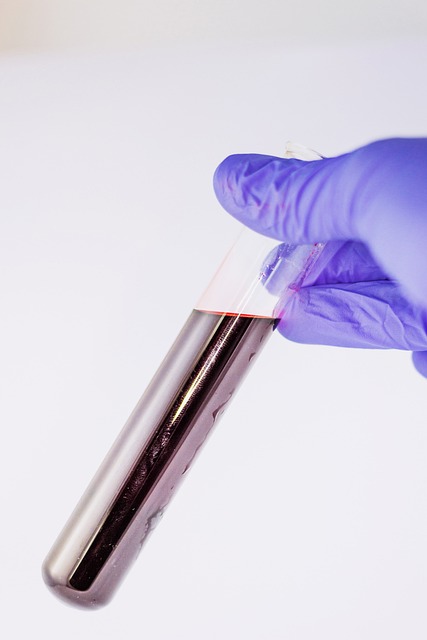
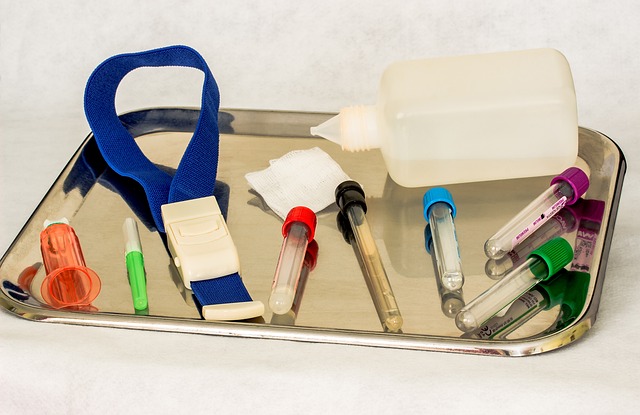
Blood Extraction: Typically, a qualified healthcare professional will take a small sample of blood from a patient's vein using a needle and syringe. This process is quick and generally painless, thanks to modern phlebotomy techniques.
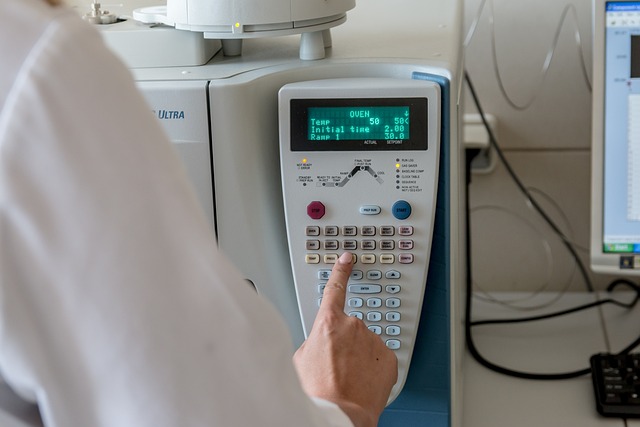
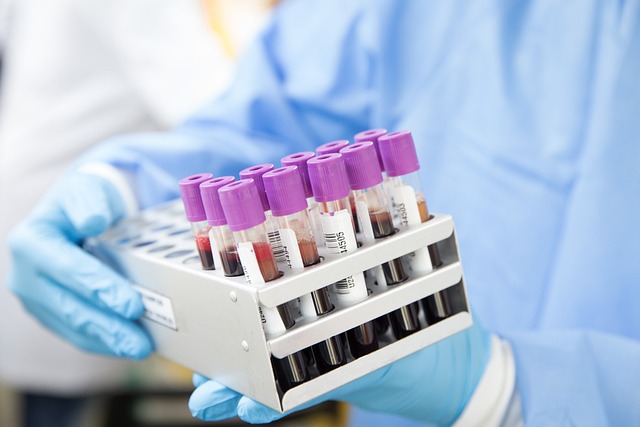
Laboratory Analysis: The collected blood sample is then transported to a laboratory, where advanced equipment and skilled technicians perform various tests. These analyses can include examining cell counts, measuring hormone levels, identifying infections, or assessing organ function.
Rapid Interpretation: After processing, the results are swiftly interpreted by medical experts, enabling them to make immediate decisions regarding patient care. This real-time feedback is invaluable for managing acute conditions and guiding treatment plans.
Historical Context: The concept of same-day blood testing has evolved over several decades, driven by advancements in technology and a growing demand for faster healthcare services. Early laboratory techniques limited the scope and speed of tests, but with the advent of automated systems and digital technology, same-day results became feasible.
Significance: This method of testing offers numerous advantages over traditional diagnostic methods:
The same-day blood test has made a significant global impact, with its adoption varying across regions due to factors like healthcare infrastructure and economic considerations.
| Region | Adoption Rate | Driving Factors | Challenges |
|---|---|---|---|
| North America | High | Advanced healthcare systems, strong technology infrastructure | Higher costs of implementation |
| Europe | Moderate to High | Comprehensive healthcare coverage, growing acceptance of digital health solutions | Regulatory variations across countries |
| Asia-Pacific | Growing rapidly | Increasing urban population, rising healthcare expenditure | Limited access to specialized laboratories in rural areas |
| Middle East & Africa | Varies | Growing healthcare sectors, investments in modern infrastructure | Inconsistent power supply affecting laboratory equipment |
Trends Shaping the Future:
Market Dynamics: The same-day blood test market is experiencing steady growth due to increasing demand for faster, more efficient diagnostic solutions. According to a 2022 report by Market Research Future (MRFR), this market is projected to reach USD 17.5 billion by 2027, growing at a CAGR of 8.5%.
Investment Patterns: Private equity and venture capital firms are increasingly investing in innovative diagnostic startups, recognizing the potential for same-day testing to disrupt traditional healthcare models. These investments drive technological advancements and market expansion.
Economic Impact:
Technology plays a pivotal role in the success and future growth of same-day blood testing. Here are some key advancements:
Automated Laboratory Systems: These systems streamline sample processing, reducing manual errors and increasing test throughput. Companies like Thermo Fisher Scientific and Beckman Coulter have developed cutting-edge automation solutions.
Digital Data Management: Electronic health record (EHR) systems enable secure storage and rapid retrieval of patient data, including test results. This digital transformation facilitates seamless sharing of information between healthcare providers.
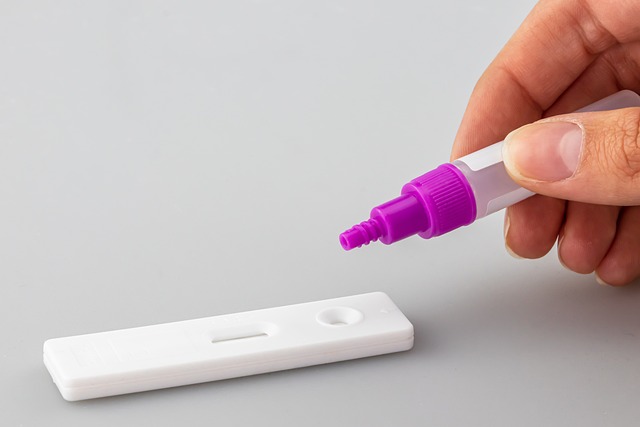
Point-of-Care Devices: Portable analyzers like the i-Stat or Alere Triage provide quick on-site testing, delivering results within minutes. These devices are particularly useful in emergency departments and remote settings.
Nanotechnology: Researchers are exploring nanomaterials to develop highly sensitive and specific assays, enhancing test accuracy and reducing sample requirements.
Same-day blood tests find applications across various medical specialties:
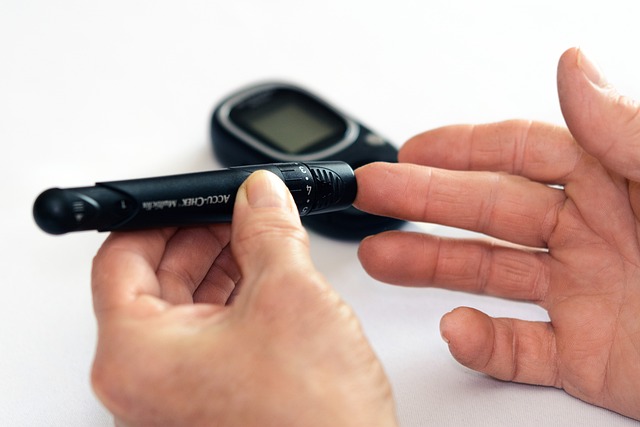
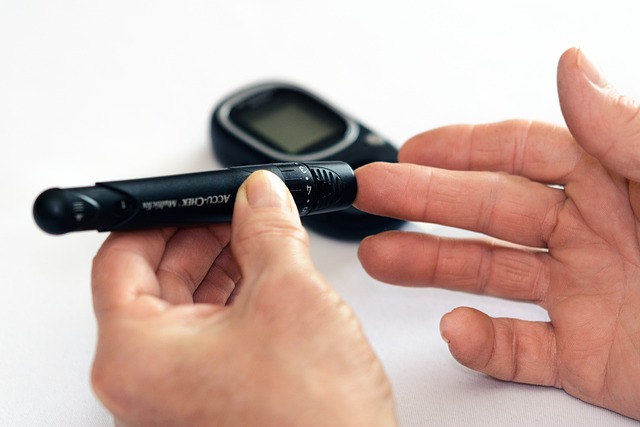
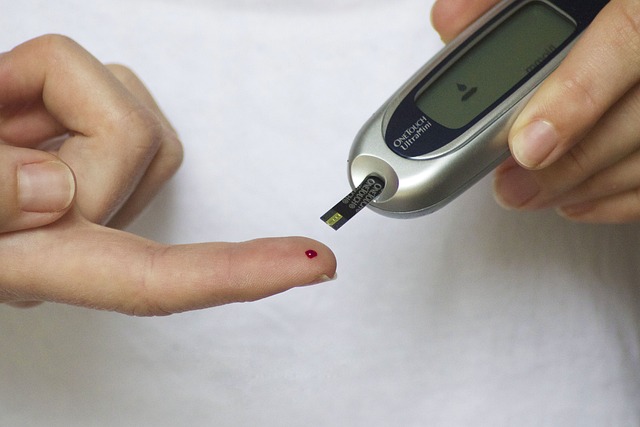
Primary Care: Regular health checks, including cholesterol testing, blood sugar monitoring, and complete blood counts (CBCs), can be performed on the same day, enabling early detection of potential health issues.
Emergency Medicine: In emergency departments, same-day tests are crucial for assessing trauma patients, detecting infections, and identifying electrolyte imbalances to guide immediate treatment decisions.
Cardiology: Rapid cardiac markers testing helps in diagnosing heart attacks and managing cardiovascular conditions effectively.
Oncology: Cancer screening and monitoring treatments through blood tests can provide valuable insights into tumor growth and response to therapy.
Infectious Diseases: Rapid diagnosis of infectious diseases, such as COVID-19 or HIV, is made possible by same-day testing, facilitating prompt isolation and treatment protocols.
Improved Timeliness of Care: Same-day results enable doctors to initiate treatment without delay, often leading to better clinical outcomes.
Enhanced Patient Experience: Faster test results reduce anxiety and provide patients with quicker access to their health information.
Reduced Healthcare Costs: Efficient testing minimizes unnecessary procedures and hospital stays, benefiting both patients and healthcare providers financially.
Better Resource Allocation: Rapid tests allow hospitals and clinics to manage patient flow more effectively, optimizing resource utilization.
Despite its numerous advantages, same-day blood testing faces several challenges that need addressing:
Laboratory Capacity: Ensuring sufficient laboratory capacity and skilled technicians is crucial for handling the potential increase in test volume.
Quality Control: Maintaining high standards of quality control is essential to ensure accurate and reliable results.
Regulatory Compliance: Different countries have varying regulations regarding diagnostic testing, which can create challenges for global healthcare providers.
Data Security: As digital health systems become more prevalent, protecting patient data from cyber threats is paramount.
The future of same-day blood testing appears promising, with ongoing innovations and research opening up new possibilities:
Personalized Testing Panels: Customized test panels tailored to an individual's health profile could become more common, allowing for comprehensive risk assessments.
Artificial Intelligence (AI): AI algorithms can analyze vast amounts of medical data to predict disease outcomes and suggest personalized treatment plans based on same-day test results.
Telemedicine Integration: Same-day testing combined with telemedicine will enable remote patient monitoring and virtual consultations, expanding healthcare accessibility.
Global Standardization: Collaborating internationally to establish standardized protocols and quality control measures could enhance global health security and facilitate cross-border healthcare services.
Same-day blood testing is more than just a rapid diagnostic method; it represents a paradigm shift in modern healthcare. Its ability to provide fast, accurate results empowers medical professionals to deliver higher quality care, ultimately improving patient outcomes. As technology advances and healthcare systems evolve, same-day testing will play an increasingly vital role in meeting the diverse needs of patients worldwide. This innovative approach promises to make healthcare more efficient, accessible, and responsive to individual health requirements.